
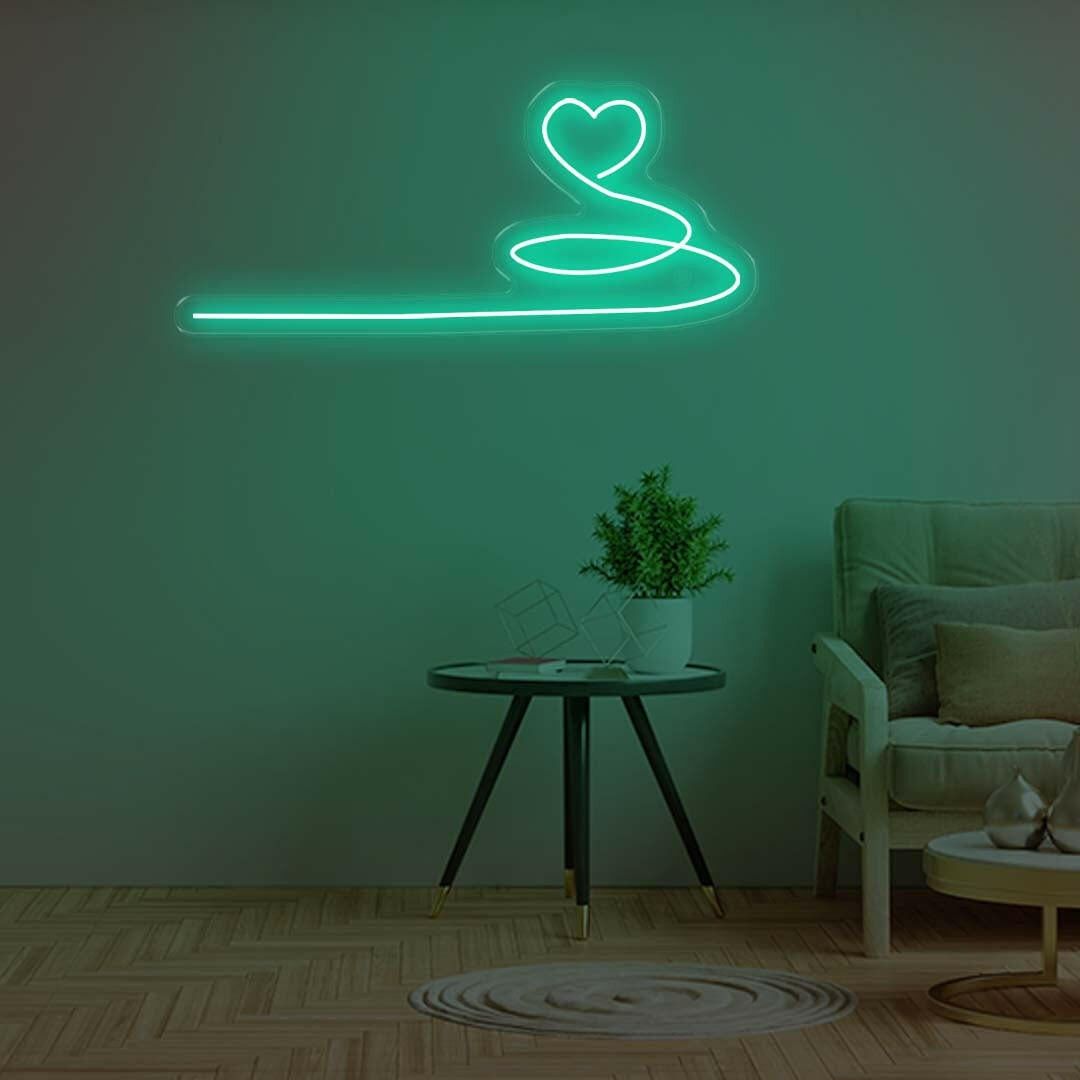
Have you ever seen a stunning illuminated wall display and wondered why some signs instantly grab attention while others look outdated?
Custom LED neon signs combine personalization, energy efficiency, and modern design to create memorable spaces for businesses, homes, and events.
If you're a small business owner, homeowner, event planner, or content creator, this guide is for you.
By the end, you'll know how custom LED neon signs work, how to choose the right design, what trends matter in 2026, and which costly mistakes to avoid.
? What You'll Learn
- What are custom LED neon signs?
- Why are they so popular?
- How do you choose the right size?
- Which design trends matter most?
- What materials should you choose?
- How much energy do they use?
- What mistakes should you avoid?
- What does the future look like?
What Are Custom LED Neon Signs?
Custom LED neon signs are personalized illuminated displays created using flexible LED tubing mounted onto acrylic, metal, wood, or composite backings.
Unlike traditional neon, which relies on glass tubes filled with gas, modern LED neon signs use energy-efficient light-emitting diodes enclosed in durable silicone or PVC housing.
This technology provides:
- Lower power consumption
- Greater durability
- Reduced heat generation
- Improved safety
- Easier shipping
- More design flexibility
According to the U.S. Department of Energy, LED lighting can use at least 75% less energy than incandescent lighting while lasting significantly longer.
Why Are They So Popular?
Custom LED neon signs satisfy two powerful needs: personalization and visual impact.
Businesses use them for branding.
Homeowners use them for décor.
Event planners use them for memorable experiences.
Content creators use them as camera-friendly backgrounds.
Recent growth in social media platforms such as Instagram, TikTok, YouTube, Pinterest, and Twitch has increased demand for visually distinctive environments.
Many hospitality businesses now incorporate illuminated signage into customer experience design.
[Image: custom led neon signs installed in a modern creator studio]
Quick Takeaway
People don't buy custom LED neon signs only for lighting. They buy them to create memorable visual experiences.
How Do You Choose The Right Size?
The correct size depends on viewing distance, wall dimensions, and the sign's purpose.
One of the biggest mistakes buyers make is choosing a design before measuring the installation area.
Use the SCALE Framework:
S — Space
Measure the available wall area.
C — Context
Determine how far viewers will stand from the sign.
A — Audience
Consider whether the sign serves customers, guests, or viewers.
L — Lighting
Evaluate ambient light conditions.
E — Electrical Planning
Confirm outlet placement and cable management.
Recommended sizing:
| Wall Width | Recommended Sign Width |
|---|---|
| 4 Feet | 20 to 24 Inches |
| 6 Feet | 30 to 36 Inches |
| 8 Feet | 40 to 48 Inches |
| 10 Feet+ | 50 Inches+ |
Personal Lesson
I once helped install a decorative LED sign that looked perfect in the digital preview. After mounting it, the sign occupied nearly half the wall and visually overwhelmed the room. Measuring the wall first would have avoided the problem entirely.
Which Design Trends Matter Most?
Several design movements are reshaping the custom LED neon signs market in 2026.
1. Dimensional Backing
Flat acrylic remains common.
However, layered construction has become increasingly popular.
Examples include:
- Floating acrylic panels
- Wood backing systems
- Metal stand-offs
- Layered logo displays
These designs create depth and premium visual appeal.
2. Gradient Lighting
Traditional single-color signs remain popular.
However, premium LED systems now support:
- Smooth color transitions
- Multi-color gradients
- App-controlled lighting scenes
- Animated effects
3. Minimalist Typography
Simple typography often performs better than complex artwork.
Examples:
- Welcome
- Create
- Coffee
- Open
- Inspire
4. Smart Lighting Integration
Modern signs increasingly integrate with:
- Wi-Fi
- Bluetooth
- Smart home platforms
- Mobile applications
[Image: custom led neon signs showing dimensional acrylic backing]
Quick Takeaway
The strongest 2026 trend combines dimensional construction with programmable gradient lighting.
What Materials Should You Choose?
The material selection affects durability, appearance, maintenance, and installation complexity.
Common backing materials include:
Acrylic
Advantages:
- Lightweight
- Affordable
- Transparent
- Easy to mount
Wood
Advantages:
- Premium appearance
- Rustic aesthetic
- Greater visual warmth
Metal
Advantages:
- Modern look
- Excellent durability
- Strong structural support
Composite Materials
Advantages:
- Flexible design options
- Lightweight construction
- Improved customization
Acrylic remains the most widely used material because it balances cost, durability, and appearance.
Real World Example
When evaluating providers, many buyers compare design flexibility, material quality, and customization options.
For example, companies such as Oasis Neon Signs USA showcase how modern manufacturers combine LED flex technology, acrylic fabrication, custom typography, and personalized design services to meet diverse residential and commercial requirements.
How Much Energy Do They Use?
Custom LED neon signs are significantly more efficient than traditional neon displays.
According to the U.S. Department of Energy:
- LEDs use substantially less energy than incandescent alternatives.
- LEDs can last up to 25 times longer than traditional incandescent bulbs.
- Reduced energy consumption lowers operating costs.
Typical custom LED neon signs consume approximately:
- Small sign: 20 to 50 watts
- Medium sign: 50 to 100 watts
- Large sign: 100 to 200 watts
Actual consumption varies based on size, brightness, and lighting effects.
What Mistakes Should You Avoid?
Most problems stem from poor planning rather than poor products.
Avoid:
- Choosing unreadable fonts
- Ignoring wall measurements
- Selecting excessive brightness
- Using too many colors
- Forgetting viewing distance
- Ignoring cable management
- Choosing trends over functionality
Contrarian Opinion
Many design guides recommend making your neon sign the dominant focal point of the room. In practice, most spaces look better when the sign functions as a supporting visual element rather than the centerpiece. Balanced design often creates a more timeless appearance.
What Does The Future Look Like?
The future of custom LED neon signs centers on personalization, sustainability, and intelligent lighting systems.
Emerging innovations include:
- AI-assisted design tools
- Adaptive brightness controls
- Dynamic gradient effects
- Sustainable materials
- Interactive displays
- Smart automation integration
As smart homes continue expanding across North America, Europe, and Asia, connected lighting systems will likely become standard rather than optional.
At A Glance
- Custom LED neon signs use energy-efficient LED flex technology.
- Proper sizing is essential.
- Dimensional backing is a major 2026 trend.
- Gradient lighting is becoming mainstream.
- Acrylic remains the most popular backing material.
- Smart controls improve flexibility.
- Energy consumption is relatively low.
- Planning prevents most installation mistakes.
- Simplicity often outperforms complexity.
- Future innovation will focus on personalization and automation.
Conclusion
Custom LED neon signs have evolved far beyond decorative lighting. Today's designs combine personalization, branding, energy efficiency, and advanced technology into a single visual element. Whether you're designing a home office, retail space, restaurant, studio, or event venue, understanding size, materials, lighting, and placement will help you make smarter decisions.
You can absolutely create a professional and memorable illuminated display with the right planning.







Leave a comment