
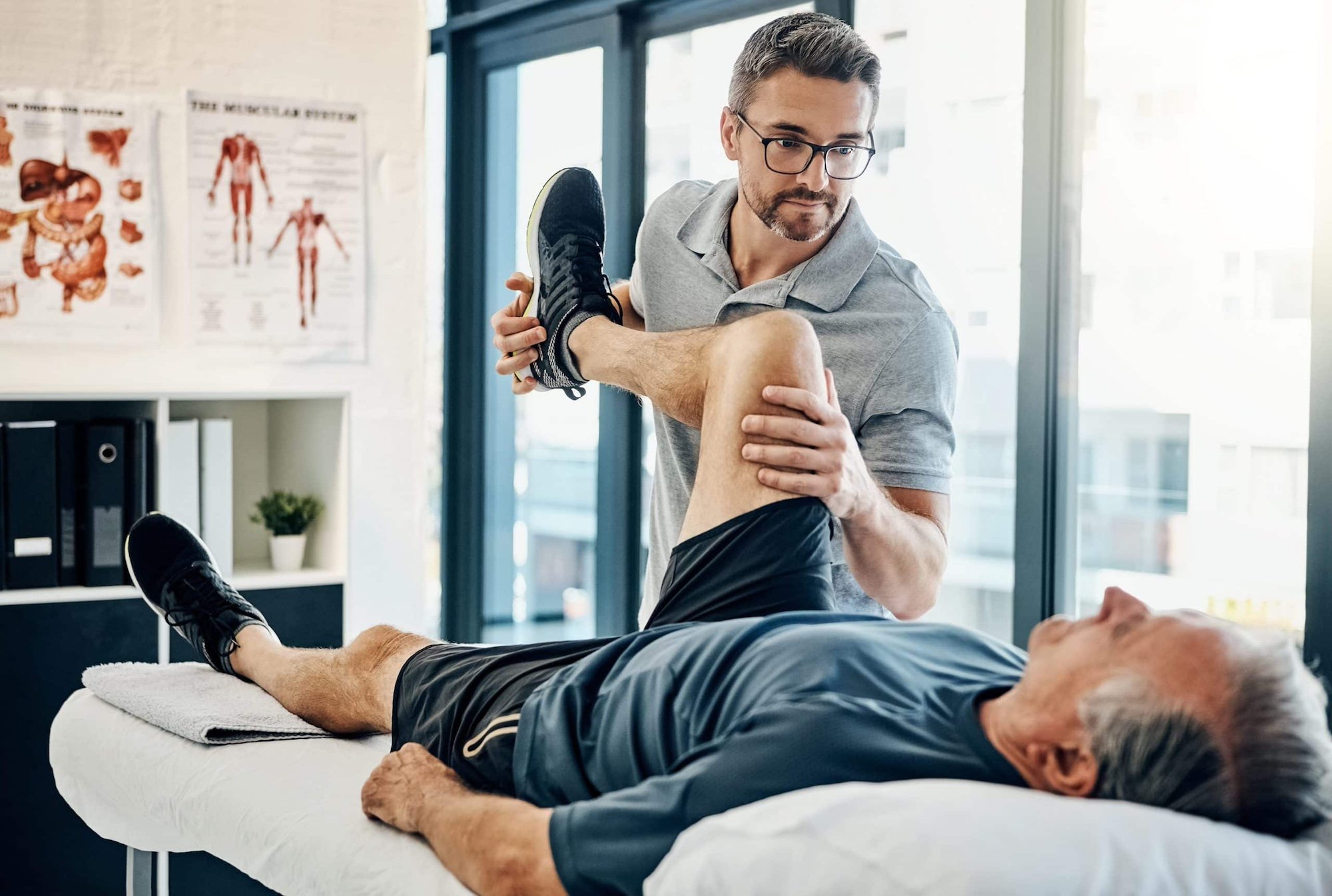
Weekend athletes often place sudden demands on muscles and joints that receive limited preparation during the working week. The lack of activity for most of the workweek leaves many tissues unprepared to handle sudden and strenuous physical exertion. A good physio near me gives you this essential guidance to help prevent these common injuries.
Prior to a high-intensity sporting event, there is no option other than a dynamic warm-up. Mildly raising your core body temperature drastically increases critical blood flow to your resting muscle tissues. This important preparatory process ensures your tendons are less stiff and completely able to absorb the different ground forces without risk when commencing sudden explosive movements.
Feeding in some particular agility drills each week helps for rapid improvement of your total coordination and balance of muscles. In addition, making your nervous system prepared to respond quickly when suddenly asked to change direction helps reduce the potential for severe sprains by a whopping degree. In the craziness of competitive play, improved proprioception is an invisible body armour that protects your vulnerable joints.
Over time, certain muscle groups dominate their weaker anatomically counterpart and muscular imbalances develop. By spotting and correcting these types of hidden structural weaknesses, you can avoid asymmetrical forces destroying your joint cartilage early. Targeted isolation exercises easily restore structural state and are a guarantee of even force across the entire skeleton.
Meanwhile, an oftentimes neglected component of optimal lower body biomechanics during athletic activity is appropriate footwear. Old sports sneakers are unable to protect you from shock because they do not cushion the blow, and your knees have to take too many mechanical loads. Investing in proper, supportive footwear immediately decreases the punishing impact forces that are being transferred directly up your legs.
Sleep is the most biologically potent recovery drug available to any dedicated amateur or professional athlete. Your body releases important growth hormones when you reach deeper stages of sleep, which are the time in which your tiny muscles fibers damaged by lifting get better. Chronic sleep deprivation thoroughly slows down your physical responses, which hugely raises your general injury risk.
Having a physio near me to do preventative structural assessment helps to identify biomechanical flaws proactively. These specialists study your running and jumping techniques to identify inefficient or unsafe movement patterns. Professional intervention at initial onset completely prevents low grade mechanical inefficiencies from developing into an irreversible and catastrophic season ending athletic tissue tear.
Nutrition is crucial for tissue elasticity and quick restoration of affected cells past strenuous exercise. When you get enough dietary protein, your muscles has the building blocks needed to rebuild a stronger connective tissue. The energy you have and your nutrition affecting how quickly you can repair structurally from a workout.
Methods of active recovery such as cycling or swimming help remove residual metabolic waste products in exhausted muscles. The day after a hard game, properly doing some low-intensity movement prevents significant DOMS. This gentle circulation speeds up the healing process without applying any further mechanical strain to your already-stressed joints.
Conclusion
Smart preventative habits can help weekend athletes enjoy their sport while reducing unnecessary strain and supporting better physical preparation. Understanding and respecting the boundaries of your body, along with taking advice on mobility from a professional, goes a long way in protecting your joints from too much wear and tear prematurely. Staying properly prepared physically is essentially the only way to ensure that you are able to perform as best you can at sport, pain-free and continuously.







Leave a comment