
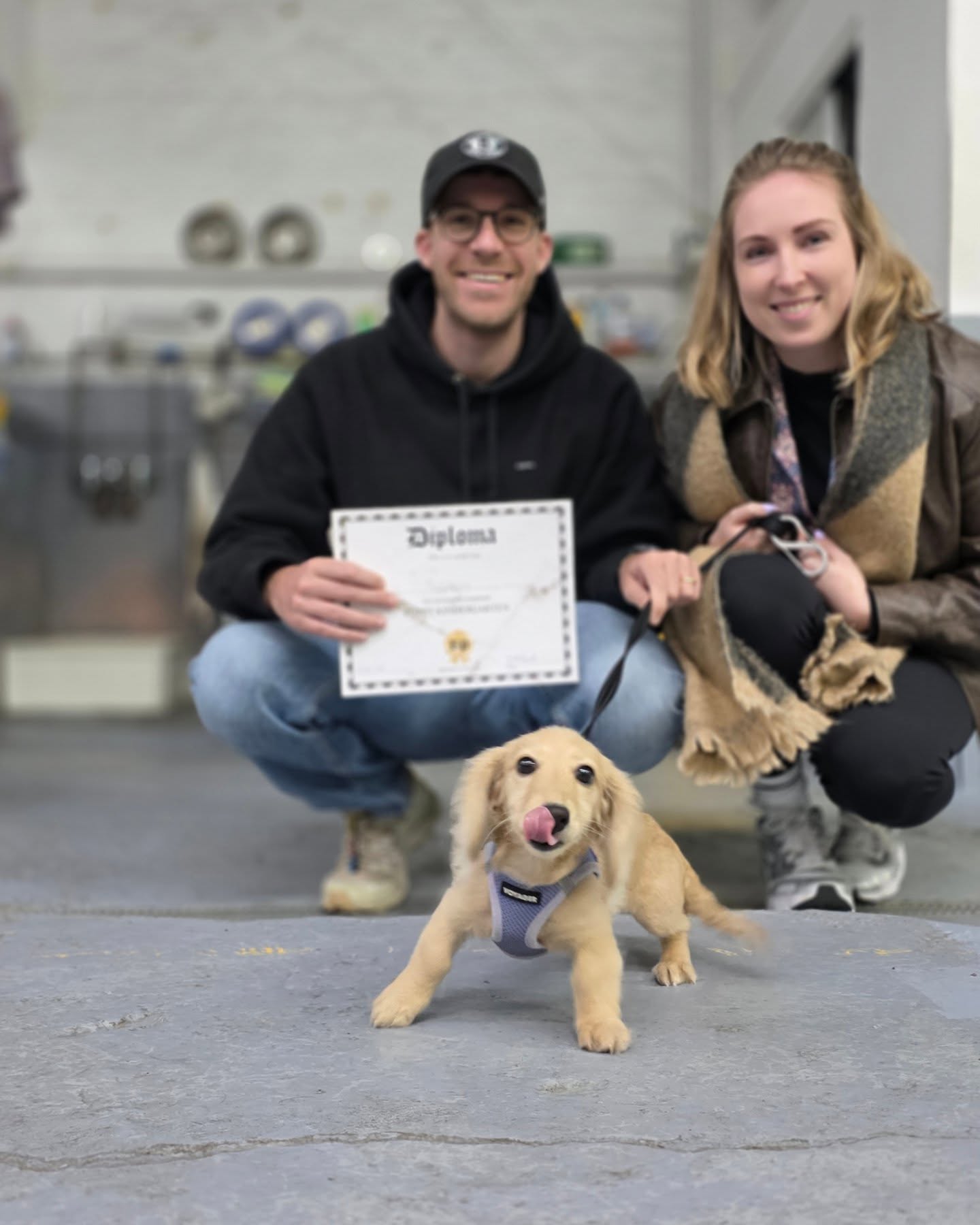
A well-mannered dog isn't just one that knows a handful of commands on cue. Real manners come from clear communication consistent practice and guidance that actually fits into your everyday routine not just a weekly class. If you've been searching for dog manners training near me, here's something worth knowing upfront: consistency is probably the single biggest factor in whether training actually sticks. Whether your dog jumps all over visitors, drags you down the street can't settle down or gets completely distracted the second you step outside regular practice is what turns sometimes into every time.
Why Consistency Makes or Breaks Training
Dogs learn by repetition. When a behavior gets reinforced over and over, your dog starts to genuinely understand what earns them a good response. But when the rules keep shifting, that understanding falls apart.
Here's a simple example: if your dog gets away with jumping on someone during one greeting but gets scolded for it the next time they're stuck trying to make sense of contradictory information. When everyone in the house responds the same way every time your dog gets a much clearer shot at learning the alternative like keeping all four paws on the ground.
And to be clear consistency doesn't mean barking commands on repeat. It just means using the same cues responding in a predictable way and giving your dog plenty of chances to actually practice.
Manners Get Built in the Small Moments
You don't need a formal training session to teach real skills most of it happens during normal daily life. Asking for a calm sit before you open the door builds impulse control. A short wait before the food bowl goes down builds patience. Encouraging your dog to glance back at you during a walk strengthens the connection between you two.
None of these moments feel like training in the traditional sense but they add up fast. Instead of treating obedience work as something confined to a scheduled session, you can weave bite-sized learning into walks greetings, playtime and everyday routines.
Just keep your expectations realistic. A dog that's a total angel in a quiet living room might completely fall apart at a crowded park and that's normal. Distractions make everything harder, so training should build gradually from easy, low-key environments up to the busier, more chaotic ones.
Helping Your Dog Focus in a Distracting World
Focus is especially tough for dogs living in busy cities. Traffic, bikes, other dogs, food smells construction noise crowded sidewalks there's a lot competing for your dog's attention at any given moment.
Building real focus starts small. Maybe your dog first learns to respond to their name inside the house, then practices in a quiet spot outdoors, before you slowly work up to busier areas. Rewarding your dog whenever they choose to check in with you rather than getting sucked into everything around them reinforces that you're worth paying attention to, even amid distractions.
If you're looking into dog manners training near me, practicing in real, lived-in environments (not just a quiet training room) is what actually makes the difference. Good training should teach you how to dial difficulty up or down not just expect flawless behavior everywhere from day one.
Positive Reinforcement Builds Better Communication
Reward-based training is about reinforcing the behaviors you actually want to see more of. Depending on your dog, that reward might be a treat, praise, a favorite toy playtime or access to something they love.
Timing matters a lot here. If your dog walks calmly next to you and gets rewarded right after they make the connection quickly. The same idea applies to settling down, recall, polite greetings, waiting patiently, and responding to cues in general.
Positive reinforcement doesn't mean letting bad behavior slide, though. You can still manage the environment, prevent your dog from rehearsing bad habits, redirect them toward something better and teach the response you actually want all without resorting to fear or harsh corrections.
Mistakes That Slow Everything Down
One of the most common issues is expecting too much, too fast. Dogs need real time to practice a behavior across different settings before it becomes reliable. Repeating a cue over and over while your dog is already too distracted to listen doesn't help either it just teaches them to tune you out.
Inconsistency between household members is another big one. Everyone needs to be on the same page about the rules and cues being used. If one person rewards jumping while someone else expects a calm greeting your dog is left guessing what's actually expected of them.
It's also worth remembering that training doesn't happen in a vacuum. Enough rest, the right amount of exercise mental stimulation and regular socialization all make training easier to stick with a tired, under-stimulated dog is a much harder dog to train.
When It Makes Sense to Bring in a Professional
Sometimes everyday training just isn't cutting it, and that's when a professional trainer can make a real difference. They can watch how you and your dog interact, spot where communication is breaking down, and build practical exercises tailored to your dog's environment and current skill level.
Professional support tends to be especially useful for leash manners, recall, impulse control, greetings, confidence issues, socialization, and trouble focusing around distractions. A good program should move at a pace that actually fits your dog not some generic timeline.
Consistency Is the Long Game
Better manners and focus don't come from one lesson it's an ongoing process. Dogs have good days and rough days and their behavior shifts as their environment, routine, and stage of life change. Staying consistent gives them repeated chances to practice the right response, and it helps you become a clearer, more predictable communicator in the process.
If you're still searching for dog manners training near me, the best approach is usually the simplest one: realistic expectations, regular practice, positive reinforcement, and patient, humane guidance. Make training part of everyday life, and you'll build stronger communication and a calmer, more attentive dog over time.
Note:
How Brooklyn Families Can Address Reactive Dog Behavior Safely Today







Leave a comment