
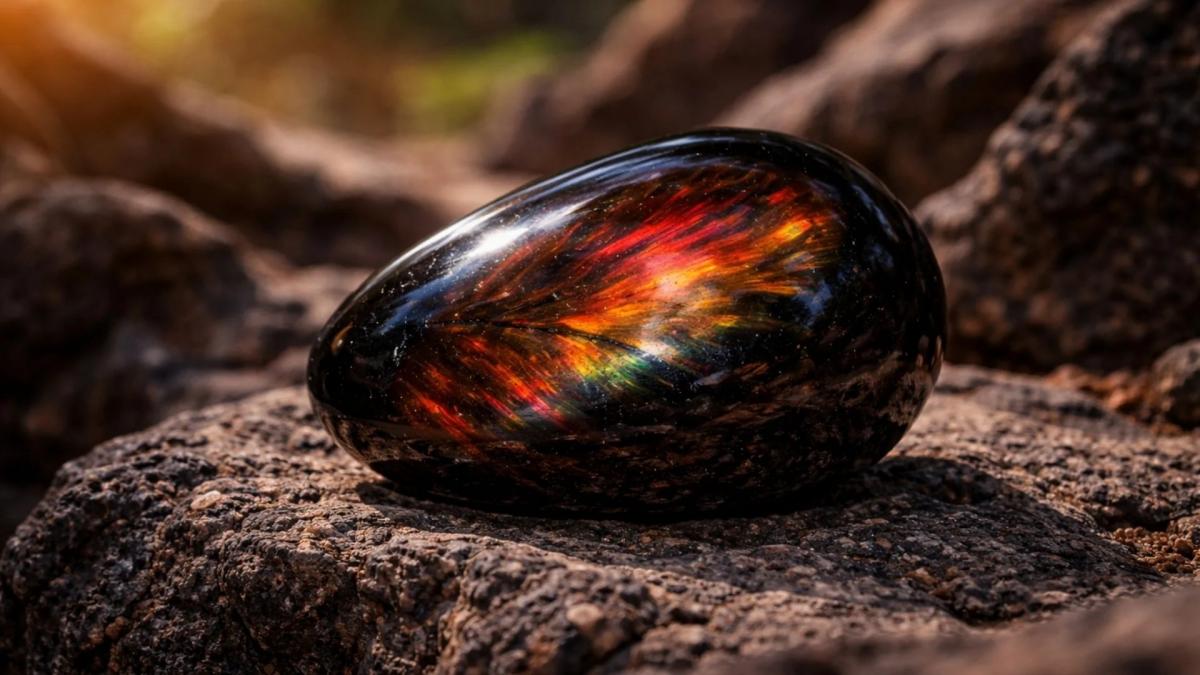
Three glossy black bracelets can look almost identical on a shop page. One is labelled obsidian, one onyx, and one tourmaline. The photographs suggest that the choice is mostly about price, but the labels describe different materials. Understanding that difference makes it easier to ask useful questions and compare the finished objects fairly.
The comparison should begin with identification, then move to workmanship and intended use. A material's name does not tell you whether a bracelet fits, whether a pendant is well mounted, or whether a seller has described treatments accurately. Keep those decisions separate and you can choose a piece for reasons that are clear rather than borrowed from a sales headline.
Understand the three names first
Obsidian is volcanic glass. Onyx belongs to chalcedony, a quartz material, as explained in the GIA introduction to anniversary gemstones. Tourmaline is a mineral group, and GIA's tourmaline description identifies schorl as its typically black, iron rich member.
Those distinctions are enough to show why the terms should not be interchangeable. Similar colour does not mean identical structure, origin, or behaviour. A seller offering a generic black bracelet should be able to tell you which material they mean and what supports that description.
You do not need to memorise a long chemical formula to shop sensibly. You need a material name that is used consistently, a clear description of any treatments, and measurements for the complete item. If the listing changes between onyx, obsidian, and tourmaline in different paragraphs, ask for clarification before buying. Confusion in the description makes every later comparison less reliable.
Treat appearance as a clue rather than proof
The finish of a manufactured bead can reduce the differences you might notice in rough specimens. Cutting and polishing give different materials similar shapes. Bright lights, filters, and reflections make photographs even less decisive.
Rough tourmaline may show a crystal form that differs from the glassy appearance associated with obsidian. Once both have been shaped into small round beads, that distinction becomes harder for an ordinary buyer to judge. A smooth black surface should therefore begin a question, not end it.
Be wary of identification rules that promise certainty from a single visual feature. A photograph showing a translucent edge, a bubble, or a particular shine does not necessarily establish the entire material. The broader black obsidian guide discusses comparisons with other dark materials, but a finished item's identification may still require professional examination. Use descriptions to understand the possibilities and qualified assessment when the answer has financial or practical importance.
Compare complete jewellery rather than loose labels
Suppose you are considering two bracelets at a similar price. The obsidian version uses larger beads and elastic. The onyx version uses smaller beads with a metal clasp. Even if both materials are accurately described, you are comparing different fits, proportions, and repair needs.
List the details that will affect your day. Consider internal circumference, bead diameter, total weight if supplied, clasp type, and whether the seller offers resizing. Check whether a stated measurement describes the cord length before assembly or the finished bracelet. A small ambiguity can create a surprisingly uncomfortable result.
For pendants, look at the mount and hanging arrangement. A securely set stone with a sensible cord may be easier to enjoy than a larger stone with a poorly explained attachment. Ask about replacement cords and repair if the object is intended for frequent wear. Material preference belongs in the decision, but it should sit beside construction rather than overshadow it.
Ask about treatments and descriptions
Jewellery materials may undergo processes that change appearance or improve usability. The important issue is disclosure. A buyer should know what the seller is claiming, whether the description applies to the whole piece, and whether any relevant treatment is stated.
Ask a straightforward question: “Is this item natural material, and are any colour or surface treatments disclosed?” Follow up if the response is vague. The GIA overview of gem treatments explains why treatment information matters in gem buying and care. It provides context without establishing anything about a particular bracelet you have not examined.
Do not assume that a low price proves imitation or that a high price proves authenticity. Price can reflect branding, workmanship, size, distribution, and packaging as well as material. A seller who answers clearly gives you more useful information than one who relies on the word premium. Keep the written answers alongside the listing so your purchase decision is based on the same description you later receive.
Choose by use and personal preference
If you like a simple glossy bracelet, try to handle examples rather than choosing entirely from the names. Notice how the piece moves, whether it feels balanced, and whether the finish suits your clothing. The object you enjoy wearing may not be the one with the most elaborate description.
For a collection, the decision can be different. You might deliberately buy several materials to compare their documented characteristics. In that case, labels and provenance information become more important than matching bead size or finding the most fashionable shape.
For a gift, focus on the recipient's routine. A pendant with an adjustable cord may be easier to fit than a bracelet of uncertain circumference. A small display object may suit someone who rarely wears jewellery. If symbolism matters to the recipient, explain it as the reason you selected the piece. Avoid presenting a particular material as a guaranteed solution to a personal difficulty or an event in their life.
Leave destructive testing out of the shopping process
Internet comparisons often encourage scratching a surface or breaking an edge to see what happens. These methods are especially unsuitable for a finished piece that you hope to wear, return, or give away. A mark may reduce its value without establishing its identity.
Ask a qualified gemologist about non destructive examination if the material matters enough to justify the cost. Explain whether the object is mounted, drilled, or part of a strand, since those details can affect what is practical. The professional can tell you what an examination may establish and where limitations remain.
For lower cost purchases, you may decide that a reputable seller, accurate description, and reasonable return terms provide enough confidence. That is a purchasing judgement, not a laboratory conclusion. The distinction helps you avoid both overconfidence and unnecessary expense. Buy with evidence proportionate to the decision instead of trying to turn the kitchen table into a gem testing station.
Questions about comparing black jewellery
Should you choose the heaviest bracelet as the better one?
Weight by itself is a poor buying rule. Bead size, fittings, and the number of components can change the total. A heavier bracelet may also be less comfortable for the intended wearer. Compare measurements and construction first, then use an in person fitting where possible. Identification should rely on suitable evidence rather than an impression of heaviness.
Can different black materials be worn together?
They can. For styling, look at proportion, surface finish, and how the pieces move beside one another. For collecting, keep the materials accurately labelled even if they look similar. Matching their colour is an aesthetic decision; treating their names as interchangeable would lose information that may matter to you later.
Make the comparison useful to you
The question is rarely which black material is universally best. It is which clearly described object fits your intended use, budget, and taste. A well made pendant, a comfortable bracelet, and a documented rough specimen serve different purposes even when they share a colour.
Before ordering, write down the two or three features that matter most. You might prioritise a small bead size, a simple fastening, and clear material disclosure. That short list keeps dramatic product claims from steering the decision.
Obsidian, onyx, and tourmaline each deserve accurate names. Once identification is addressed, spend just as much care on fit and workmanship. You will have a more satisfying purchase and a clearer explanation of why that particular piece belongs in your wardrobe or collection.







Leave a comment