
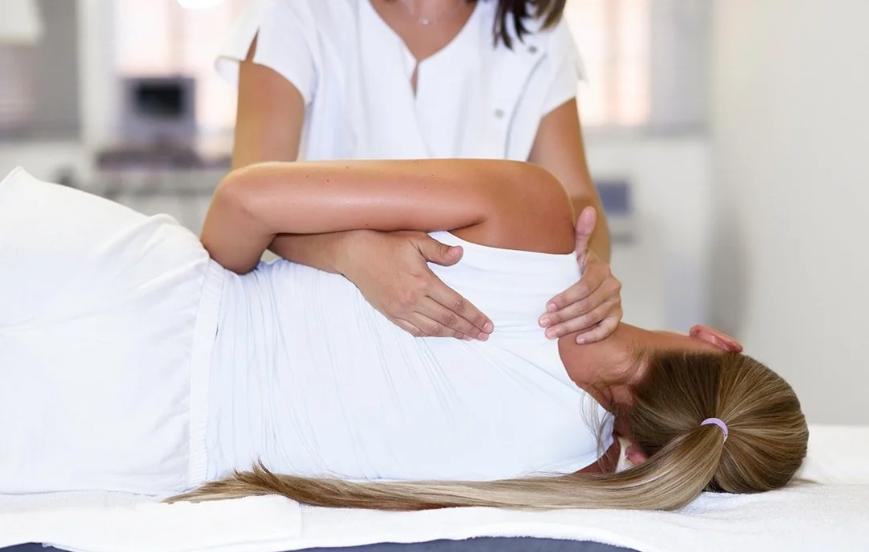
No one likes to be benched from their favourite sport or weekend hobby. If you're currently looking into physiotherapy in Adelaide, you are probably tired of sitting on the couch. Sitting still is the worst, whether you rolled an ankle while playing netball or tweaked your shoulder at the gym.
Many weekend warriors make the mistake of going from zero activity all week to sprinting on Saturday. Sudden, enormous spikes of physical stress are a tendon's worst nightmare. That is when things usually pop, tear or snap without any warning.
You need to stop pushing through the sharp pain just because you are competitive. If you play on a badly sprained ankle, you are guaranteed to have a weak joint for the next five years. You have to swallow your pride and let the tissue actually heal properly.
When you finally go to get checked out, the focus will be on finding your hidden weak links. You may find that your nagging knee pain is actually coming from having terribly stiff ankles. If one joint refuses to move, the joint directly above it gets a massive beating.
Initial treatment involves reducing the swelling and getting your basic range of motion back. A little targeted massage and gentle movement of the joints helps to flush out the bad inflammation. It’s a big relief to be able to finally bend your knee or lift your arm without grinding your teeth.
The only safe way to return to heavy activity is by committing to regular physiotherapy in Adelaide. And they will give you very specific strengthening drills that work the little stabilizer muscles you usually ignore. That’s how you make a bulletproof foundation that keeps you out of the clinic next season.
Boring rehab homework is non-negotiable if you want to get back on the field. You might think that silly little bands in your bedroom are ridiculous, but they work. Those tedious isolation exercises are precisely what rebuild torn muscle fibres and prevent future blowouts.
It’s really tempting to skip the warm-up when you’re in a rush to get in the game, but don’t. Five minutes of dynamic stretching prepares your nervous system for the sudden shocks of running and jumping. Cold muscles tear so easily, so get a light sweat on before you even think about sprinting.
Cross-training is your best friend when you have to take a break from your main sport. If you can’t run because of shin splints, hop on a bike or get in the swimming pool. It keeps your heart healthy and stops you from going completely mad while you heal.
Diet actually has quite a big part to play in terms of how quickly you recover from an injury. To repair damaged tendons, your body literally needs the building blocks that come from eating lots of protein. Super hydration also helps to keep your joint cartilage thick and ready to take heavy impacts.
Professional physiotherapy in Adelaide also helps you get over the mental fear of getting hurt again. It’s completely normal to be scared the first time you pivot hard on a freshly healed knee. A professional will help you with sport-specific drills to slowly rebuild your confidence.
Taping is a really cool tool that can help you feel more secure in those first few games back. Having athletic tape wrapped around a joint gives your brain constant feedback about where your body is in space. It's like a gentle reminder not to overextend yourself when you get tired.
Be realistic about your age and your recovery time. At thirty-five, you just can't recover from a hard tackle like you could at eighteen. To take an extra rest day between heavy workouts is simply a smart, mature approach to training.
Once you finally get back to your normal routine, listen to your body carefully. It’s normal to have a dull ache the day after a workout, but sharp, stabbing pain is a giant red flag. Never ignore a sharp pain just to finish the last 10 minutes of a game.
Don’t be afraid to continue to see a professional after you feel totally healed. Many athletes use regular checkups to fine-tune their mechanics and catch tiny imbalances before they tear. Fixing a tight hamstring is much easier than a completely blown ACL.
Enjoying your weekends should not mean a permanent risk of crippling pain. If you take your recovery seriously, you’ll protect your ability to play hard for decades to come.
Conclusion
Getting injured is a massive setback, but it doesn’t have to be the end of your playing days. Working with a pro teaches you how to train smarter and treat your body with a little more respect. Do the rehab work, be patient, and prepare to get back to your favourite hobbies stronger.







Leave a comment