
You don't really think about how much room your toes need until one of them starts curling up and rubbing against the roof of your sneaker. At the end of the day, there's just a red spot on the middle knuckle. Soon a hard, painful corn develops right on top, and even your comfiest winter boots feel like an instrument of torture. That's when hammertoe treatment in Taunton, MA usually starts to sound like a pretty good idea.
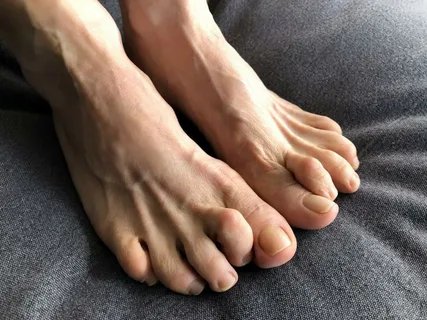
A hammertoe is a deformity of one of your smaller toes (usually the second, third or fourth toe) in which the middle joint has become stuck in a downward bend. Instead of lying flat, the toe sticks up like an upside-down "V". Basically, it's a tug-of-war between the little muscles and tendons on the top and bottom of your toe, and one side is starting to win a little too hard.
People love to blame tight shoes for everything, and narrow, pointy shoes certainly speed things up. Your toes are buckling in if you shove your feet into dress shoes that are too tight or sneakers that are too short. But it's not just about the sneakers. Genetics play a huge part in this – if your mom or dad had curled toes, flat feet or super high arches, your foot structure may just naturally pull your toes out of line over time.
Another sneaky trigger is bunions. A large toe pointing outwards away from the rest of the foot pushes the second toe out of alignment. The second toe often gets pushed up and over, bending at the middle joint until it stays that way. Nowhere else to go.
The most important thing to know about hammertoes is that they are not permanent. The toe is still pliable in the beginning—you can reach down with your fingers and gently flatten it back out. Caught at this pliable stage, simple home modifications and conservative care can often halt its progression and keep you altogether comfortable.
Leave it too long, and the tendons become tight like dried leather. The joint stiffens so you can no longer straighten it by hand. Once a toe locks into that stiff position, shoe pads can only do so much. Early hammertoe treatment in Taunton, MA gives you far more simple, non-surgical options than waiting until the joint is frozen solid.
If your toe is still flexible and only bothers you occasionally, start by cleaning out your shoe closet. Sneakers and everyday shoes need a deep, wide toe box. Stretchy mesh uppers are your best friend, because they don't push down on that raised knuckle. Make sure you have at least a half inch between your longest toe and the front of the shoe.
The little drugstore helpers can take off the edge, too. Soft silicone toe sleeves or gel corn pads cushion the top of the joint so it doesn't scrape against your shoe lining. Avoid medicated corn-remover pads that contain acid, as they can easily burn healthy skin around the corn and cause a nasty infection, especially if you have diabetes or poor circulation.
A few simple stretches each day can prevent a flexible toe from stiffening. While watching TV, gently straighten the curled toe with your fingers and hold for ten seconds. Another exercise that wakes up the small muscles that keep your toes flat is to pick up small marbles or a washcloth off the floor with your toes.
Sometimes custom shoe inserts are the missing link. If you have flat feet or an uneven stride where your toes have to grip the floor to maintain your balance with every step you take, supporting your arch takes that extra work off your toes. Once your toes stop clenching all day, the tendons finally get to have a break.
When a hammertoe is completely rigid, hurts even in wide sneakers, or develops open sores from friction, a quick outpatient procedure is usually the cleanest solution. Discussing hammertoe treatment in Taunton, MA with a foot specialist makes you see how easy modern toe correction really is. Depending on how tight the joint is, a quick tendon release or a small joint realignment can flatten the toe out for good.
Recovery from hammertoe correction is usually much lighter than major foot or ankle surgery. Most people go home the same day in a special stiff-soled surgical shoe that protects the toe but allows them to walk around the house. For the first few days, propping your foot up will minimize throbbing and swelling.
The last thing you want to do with a curling toe is ignore it until you're limping or have thick, burning calluses forming under the ball of your foot. Sure, your toes are small, but they do a lot of work every time you push off to take a step.
Conclusion
Crooked toes may seem like a small quirk at first, but anyone who has suffered through a raw corn rubbing inside their shoe knows how fast one can ruin your mood. If you pay attention when the joint is still flexible, change to roomier footwear, and get real advice when home tricks stop working, you can save yourself years of daily irritation. Your feet take you places. They deserve enough space to lie flat and comfortably.







Leave a comment